Does a UK Medical Certificate Need an Apostille and Spanish Translation for Spain’s Non-Lucrative Visa in Edinburgh?
Last updated: 2026-11-28
Reading: 3 min
Avoid losing time by obtaining the correct medical certificate before its three-month validity window narrows.
Table of contents
Quick summary
- A UK-issued medical certificate for Edinburgh needs apostille or legalisation and an official Spanish translation.
- The apostille must authenticate the doctor’s signature, not a later certifier’s signature.
- A certificate issued in Spain is the stated exception.
Yes — if the certificate is issued in the UK
The Spanish Consulate in Edinburgh’s current checklist requires the medical certificate for a Non-Lucrative Visa to be legalised or apostilled and officially translated into Spanish, unless it is issued in Spain. For a certificate signed by a UK doctor, that means planning for both the apostille process and the translation.
The certificate must be original, signed and stamped by a registered doctor. It must also use the Consulate’s specified wording that the applicant does not suffer from an illness representing a risk or danger to public health under the International Health Regulations 2005, and it should be issued within three months before submission.
Apostille the doctor’s signature, not a later certification
Edinburgh adds a practical point that is easy to miss: legalisations and Hague Apostilles must authenticate the signature of the person who signed the certificate, such as the registered medical practitioner, not the signature of a solicitor or notary who did not issue the certificate.
That affects the sequence. First obtain a certificate that has the required wording, doctor’s signature and stamp. Then arrange the UK apostille for that underlying signature. The UK Legalisation Office confirms that a medical certificate signed by a registered doctor can be legalised, provided its signature or seal can be matched.
The Spain-issued exception is real, but narrow
Edinburgh’s checklist says that where the certificate is issued in Spain, legalisation and translation are not required. It does not say that any English-language certificate avoids the apostille merely because the applicant is British, or because a UK doctor used Spanish wording.
A UK certificate and a Spain-issued certificate therefore follow different document routes. The article about a certificate for the London application should not be treated as a substitute: consular practices and wording can vary by competent office.
A sensible order of work
Do not order the translation before the final signed certificate is complete and apostilled. The translation should cover the completed document as it will be submitted. And do not obtain the medical certificate too early: its three-month period runs alongside the time needed for legalisation and translation.
Anemoss can help coordinate the medical certificate, apostille and translation sequence for the competent consular route.
Sources checked: 28 November 2026. A consulate may require further documents in an individual case.
For eligibility and application steps, see our overview of the Non-Lucrative Visa.
Common mistakes
- Apostilling a solicitor’s signature instead of the doctor’s signature.
- Translating an incomplete certificate before the apostille is attached.
- Assuming UK issuance qualifies for the Spain-issued exception.
Would you like us to manage it for you?
We are Andrea and Marbod. At Anemoss, we combine legal strategy and technical execution to manage your case from start to finish.
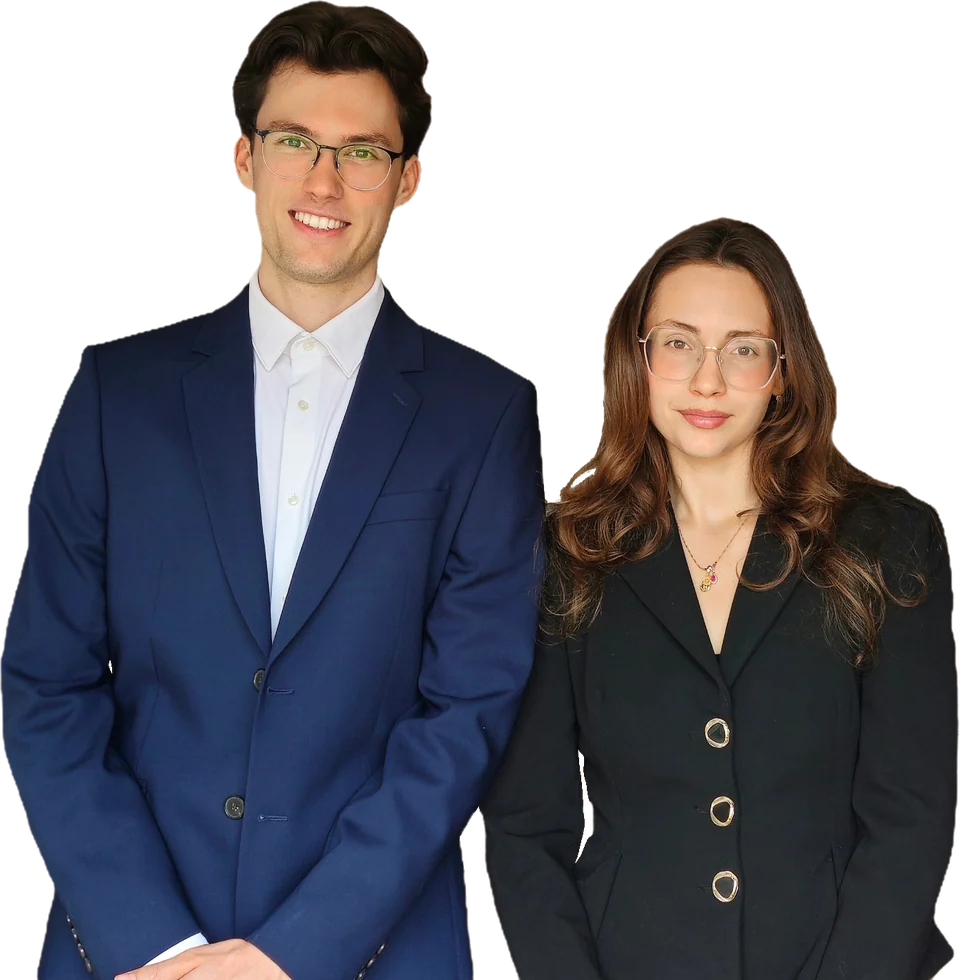
We are personally involved throughout your case, from the initial analysis and action plan to ongoing support until the process is complete.
Questions? Contact us
Frequently asked questions
Can I use a certificate issued in Spain instead?
Yes. Edinburgh says a Spain-issued certificate does not need legalisation or translation, but it must still meet the content and timing requirements.
How recent must the certificate be?
Edinburgh says it should be issued within three months before the application is submitted.

There are no comments yet. You can be the first person to comment.