Can I get Spain’s Digital Nomad Visa without a university degree?
Last updated: 2026-10-16
Reading: 5 min

Understand whether your work history can support an application before collecting documents.
Table of contents
Quick summary
- A university degree is not the only way to meet the professional qualification requirement.
- Evidence should explain both the duration and substance of your experience.
- Your career history and your current employer or client relationship are separate tests.
The law offers an alternative to a degree
Article 74 bis(2) of Law 14/2013 provides a professional-experience alternative to the listed academic and vocational qualifications. It applies to the international-teleworker route, commonly called the Digital Nomad Visa. It is not an exemption from having a qualified professional profile.
This matters for experienced people who entered their field through work rather than university. A missing diploma need not end the enquiry. The next question is whether the evidence connects your previous responsibilities to the remote role in the application.
Show what you did, not just your job title
The UGE documentation checklist asks for experience in analogous functions and describes evidence of its comparability to higher-level training. It identifies an official employment-history record or equivalent matching company certificates, or a professional-competence certificate from the competent authority. Company certificates should specify service dates and duties. Where professional certificates do not exist or are very burdensome to obtain because of timing, the guidance calls for detailed company letters explaining tasks at the relevant qualification level.
A practical starting point is to make a dated career timeline. Against each period, write the functions you performed and identify who can substantiate them. Then compare that history with the actual duties of your proposed remote role. This is preparation advice, not a separate statutory form.
For example, “consultant, 2020–2024” leaves the reader guessing. An accurate letter explaining the projects, responsibilities and technical work makes the comparison easier. Ask for concrete descriptions rather than a flattering reference; praise does not establish the substance of a role.
Three years of experience is not three years with your current employer
The qualification test and the current working-relationship test answer different questions. Article 74 ter separately requires the relevant employment or professional relationship to have existed for at least the three months before applying, alongside at least one year of real, continuous activity by the foreign company or group.
Hypothetical example: a developer has five years of relevant experience across previous employers and has spent six months with the current foreign employer. The shorter current tenure does not, by itself, defeat the experience alternative. Conversely, a new three-month contract cannot turn one year of total career experience into three.
Keep these timelines separate in your file. Label previous career evidence as qualification evidence, and current contracts and remote-work terms as evidence of the relationship on which the application relies.
Build an evidence file that can be checked
Before paying for document formalities, check the current instructions for the authority handling your application. Identify gaps such as missing dates, vague duties or inconsistent company names, and ask the issuer to correct genuine errors. Do not rewrite history or present overlapping jobs as though the same calendar period occurred twice.
Keep your CV consistent with the supporting records, but do not expect the CV to replace them. A short explanatory note can map each document to the relevant period and role. It is especially helpful when a foreign record uses terminology unfamiliar in Spain.
Not every profession is unregulated. UGE gives separate directions for regulated professions, including recognition of the corresponding Spanish qualification or a notarised declaration that the profession will not be exercised in Spain. Do not assume the experience alternative itself grants permission to practise a regulated profession.
A strong work history is only one part of eligibility
The application still needs to satisfy the remote-work, financial, health-coverage, Social Security and general immigration conditions. An employee’s arrangement and a freelancer’s arrangement also need to be assessed on their own terms. Our guide for freelancers with US clients explains the portfolio side of that distinction.
The useful next step is an evidence review, not collecting every document you can find. ANEMOSS ASESORÍA JURÍDICA S.L. can help assess the residence route and organise the application documents through its Digital Nomad Visa service. You can also read how Anemoss helps Americans plan a move before deciding what assistance you need.
Common mistakes
- Treating an impressive CV as a substitute for corroborating records.
- Counting unrelated work without explaining its relevance to the remote role.
- Confusing career experience with the history of the current employment or client relationship.
Would you like us to manage it for you?
We are Andrea and Marbod. At Anemoss, we combine legal strategy and technical execution to manage your case from start to finish.
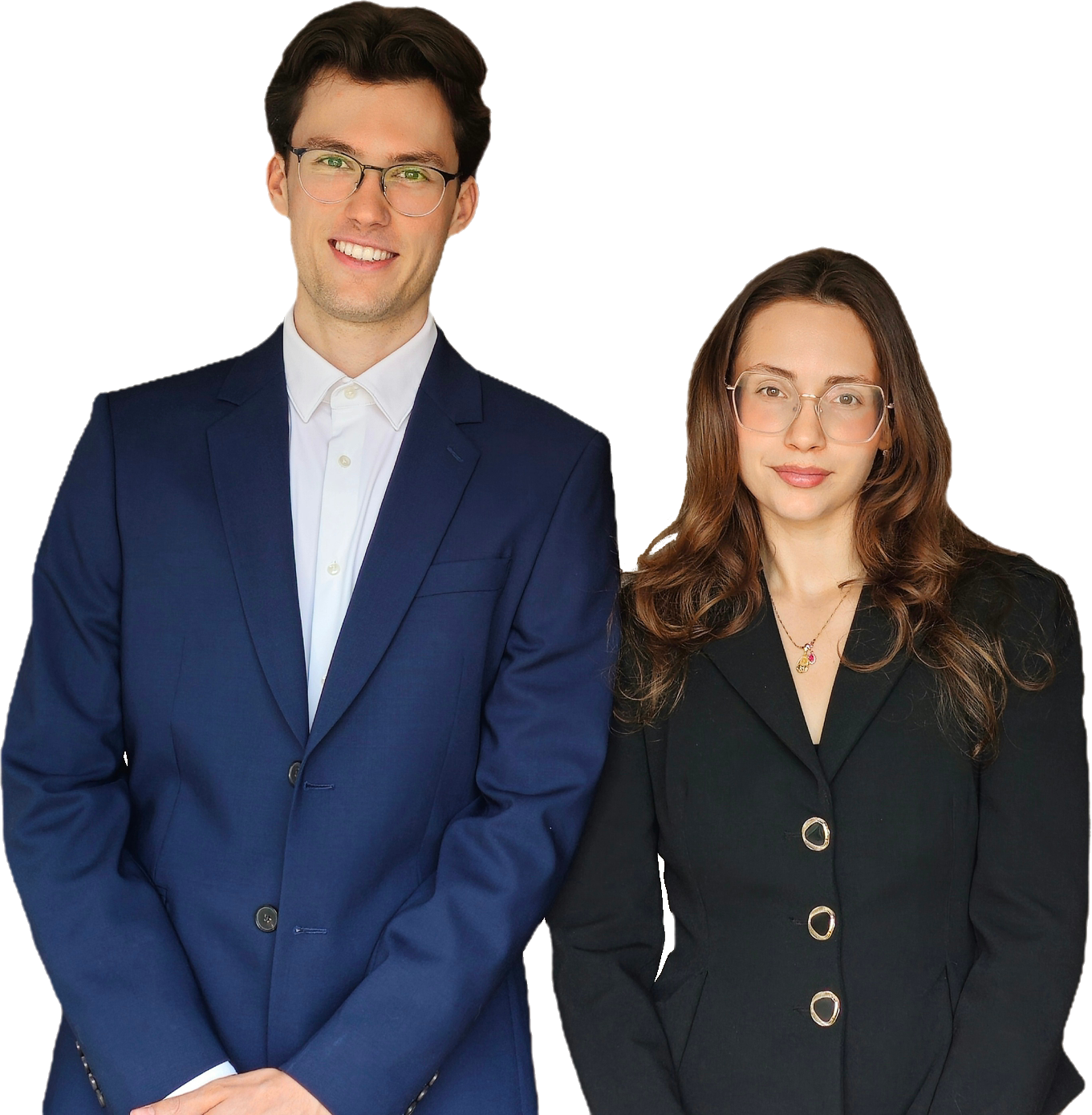
We are personally involved throughout your case, from the initial analysis and action plan to ongoing support until the process is complete.
Questions? Contact us
Frequently asked questions
Must all my experience come from one employer?
The qualification provision does not require three years with a single employer. Document the relevant periods and duties coherently; the current working relationship has its own requirements.
Is a company letter saying “three years’ experience” enough?
Do not rely on that statement alone. Follow the current checklist and provide the requested corroboration, dates and sufficiently detailed functions.
Does this alternative cover freelancers too?
The international-teleworker qualification provision covers the route’s employment and professional activity. Freelancers must still establish the qualifying foreign professional relationship and the other applicable conditions.


There are no comments yet. You can be the first person to comment.